As solar energy expands across landscapes, solar parks have become powerful symbols of the green transition. Vast fields of panels capture sunlight and convert it into clean electricity, helping nations reduce carbon emissions and meet net-zero targets. Yet as their footprint grows, so do the questions: what happens to the land beneath and around those panels? Are we trading one environmental goal, climate mitigation, for another, biodiversity conservation?
When clean energy meets the natural world
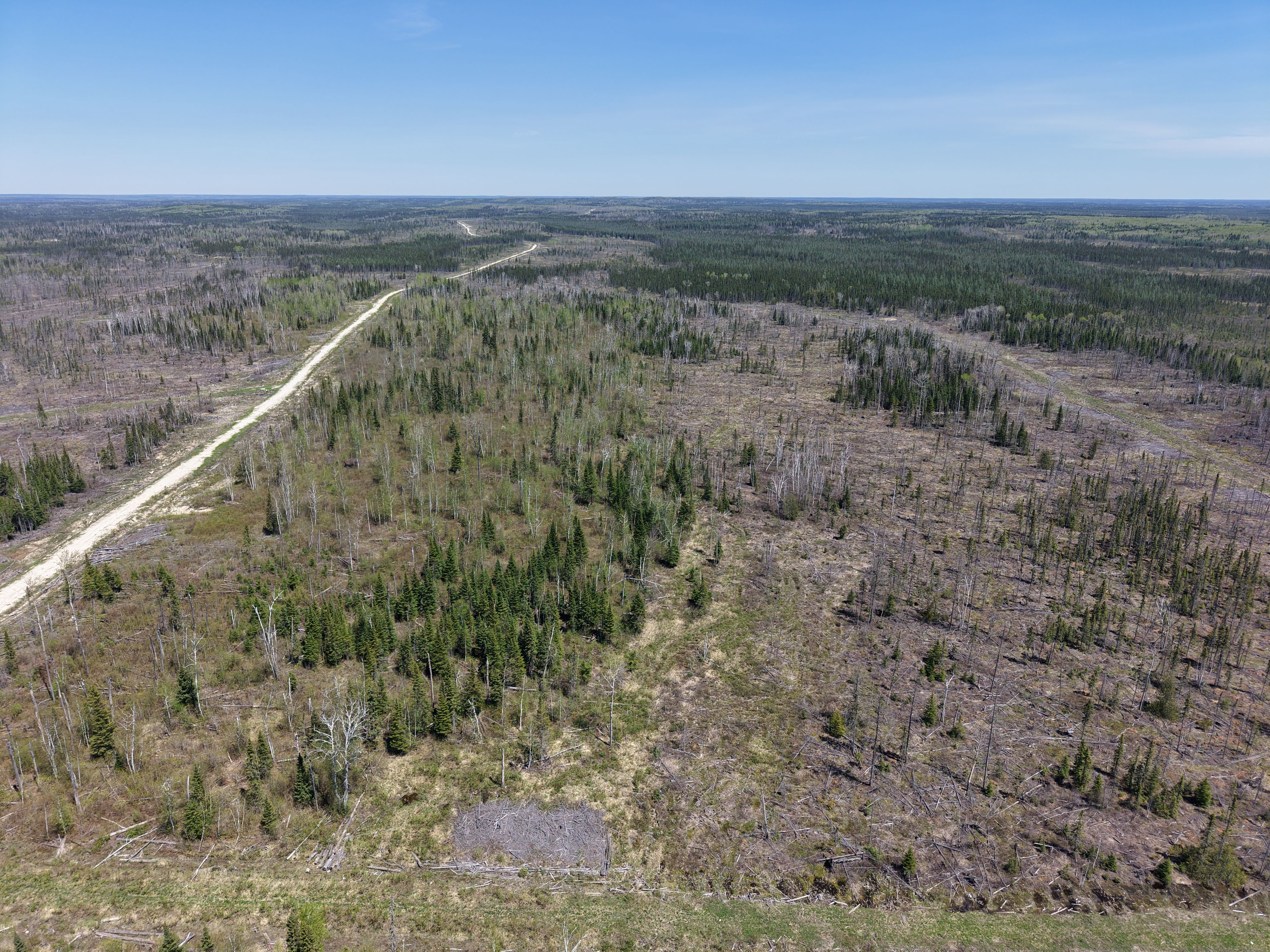
Solar parks are often built on open land, sometimes replacing agricultural fields or semi-natural habitats. This transformation can alter local ecosystems by changing light, temperature, and vegetation patterns under the panels. Studies have noted that unmanaged solar sites risk becoming monocultures of short grass or bare soil, offering little value for pollinators or other wildlife.
However, the same spaces can also become new ecosystems when biodiversity is integrated from the start.
Solar panels themselves are neutral. The impact depends on the environment we design around them.
Nature as an asset, not a trade-off
When solar parks are planned with ecological sensitivity, they can promote biodiversity instead of competing with it. Practices such as planting native wildflowers beneath and around panels, establishing buffer zones, and creating insect corridors can transform sterile monocultures into vibrant ecosystems.
These habitats can support pollinators like bees and hoverflies, birds seeking refuge, and small mammals, increasing the ecological value of the land. According to biodiversity science, such diversity strengthens ecosystem stability and resilience, helping local environments adapt to stressors like drought or extreme heat.
.jpg)
Monitoring change: From energy data to ecological data
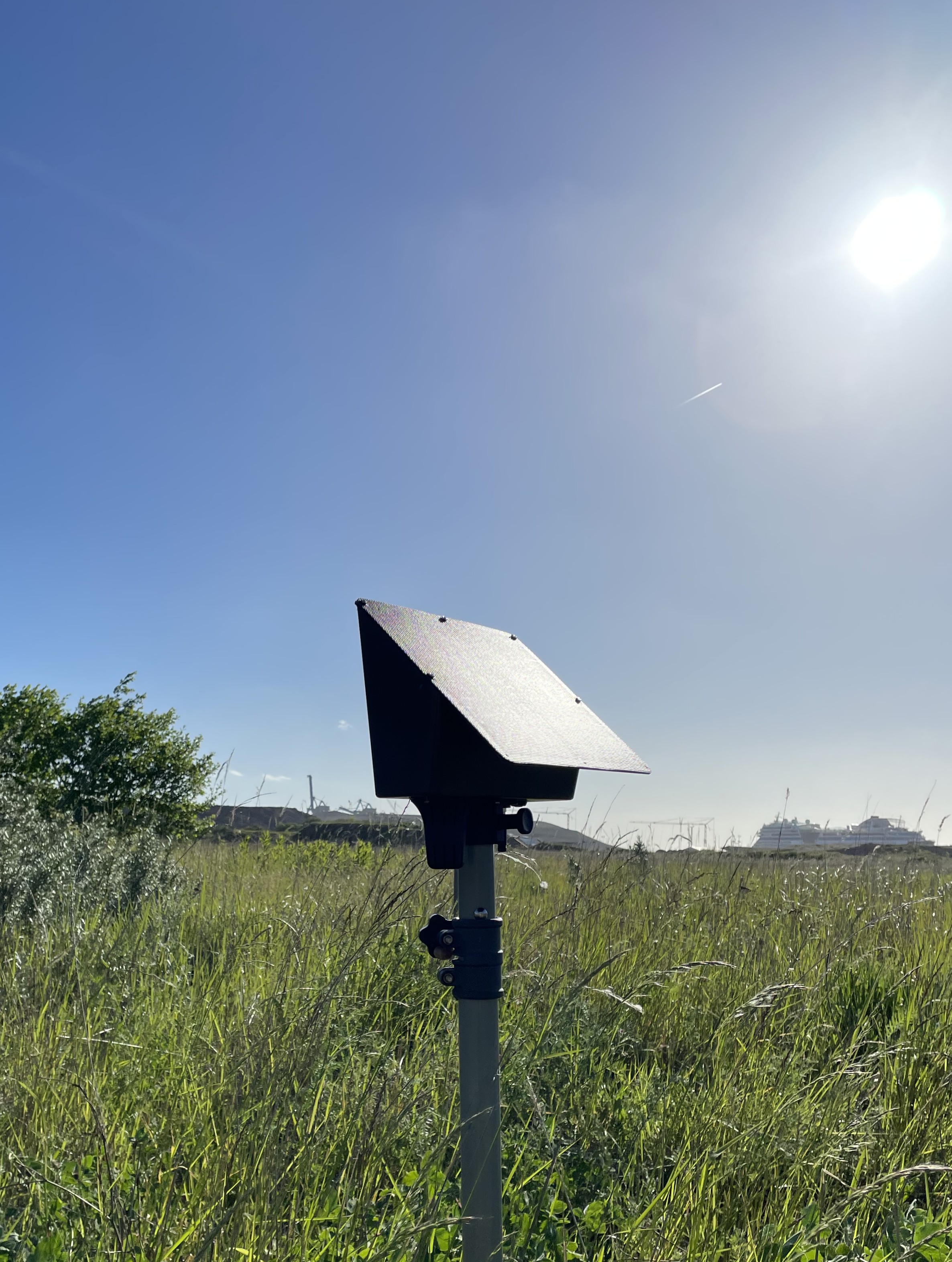
To understand the real impact of these efforts, continuous biodiversity monitoring is essential. Traditional surveys provide snapshots in time, but modern tools enable long-term, data-driven insights.
For example, insect monitoring can serve as an early indicator of ecosystem health, revealing how vegetation management and habitat design affect biodiversity recovery over time.
Such data helps developers and operators move from assumptions to evidence, while showing stakeholders, regulators, and communities that renewable energy can coexist with thriving ecosystems.
Carbon and biodiversity: Two sides of the same coin
Healthy ecosystems do more than support wildlife, they also store carbon. By integrating vegetation management that enhances soil health and plant diversity, solar parks can contribute to carbon sequestration, improving both their environmental footprint and resilience to climate extremes.
From mitigation to regeneration
As the world races toward net-zero, renewable energy projects will continue to multiply. The opportunity-and responsibility-is to ensure that this transformation is nature-positive, not just carbon-neutral.
Solar parks designed for biodiversity do exactly that: they generate clean energy while regenerating nature. They showcase how innovation can serve both people and the planet, proving that the path to a sustainable future is one where technology and ecology grow side by side.