.jpg)
When landscapes change, ecosystems do not respond all at once. Some signals appear early. Others take years to become visible.
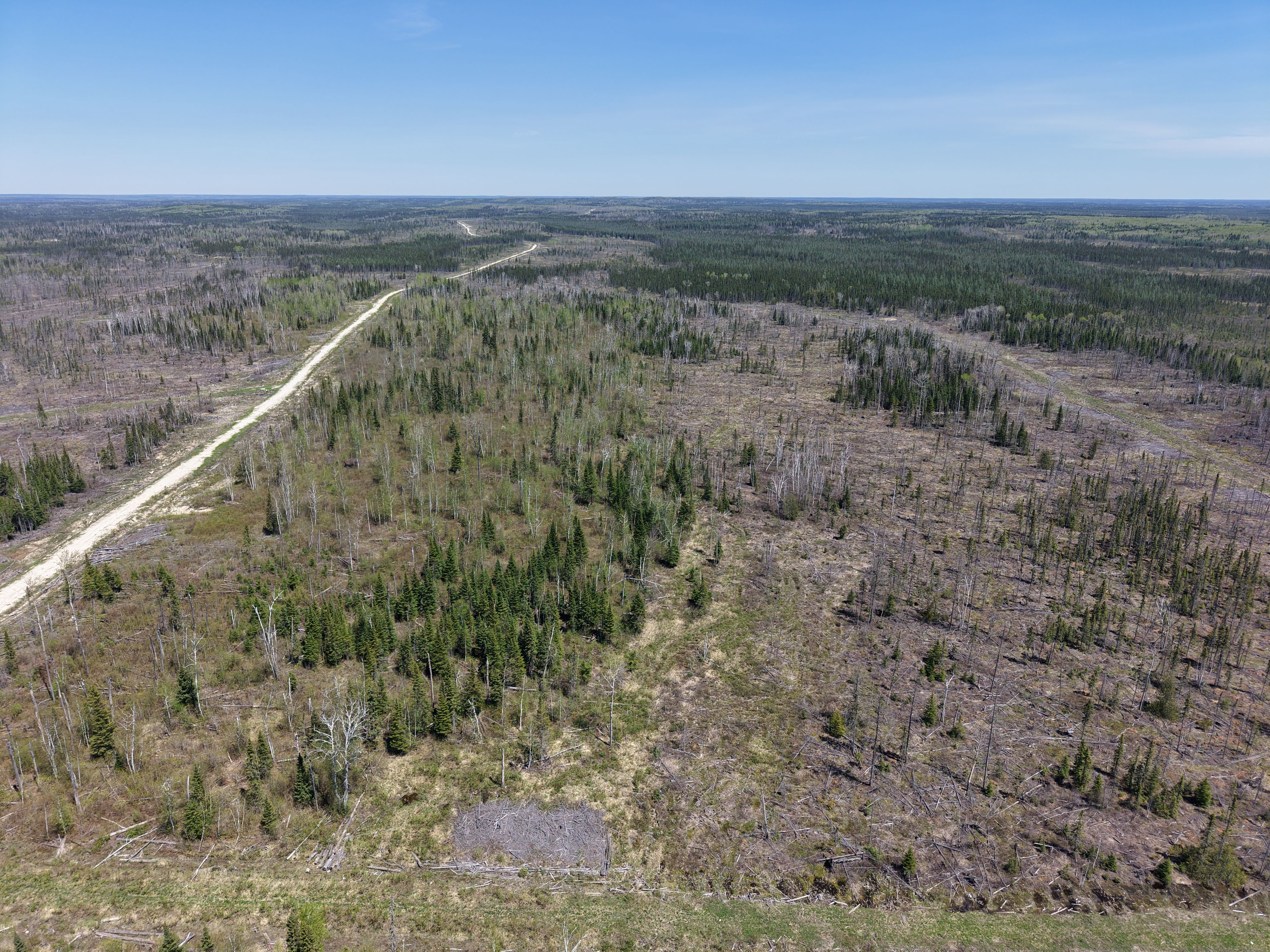
Trees may still be standing. Vegetation can look green. Birds may still return in spring. Yet beneath this apparent stability, ecological processes can already be shifting. The organisms that notice first are often the ones we pay the least attention to.
Insects are usually the first to respond when conditions change. Long before an ecosystem looks different to us, insect communities begin to reorganize. Activity patterns shift. Diversity changes. Certain groups disappear while others become dominant. These early movements offer one of the clearest windows into ecosystem health, if we choose to observe them.
Why insects respond before everything else
Insects live close to the conditions that define an ecosystem. They depend on microclimates, plant structure, soil quality, water availability, and seasonal timing. Small changes in temperature, humidity, light, or chemical exposure directly affect their survival and behaviour.
They also live fast. Many insects complete several generations in a single season. This rapid turnover allows populations to adjust quickly to new conditions. Where larger animals may take years to show a response, insects reflect change almost immediately. When stress increases, their numbers often decline. When conditions improve, recovery can be seen within weeks or months.
Because insects occupy so many roles, their responses are rarely isolated. They are pollinators, predators, herbivores, decomposers, and a critical food source for birds and mammals. A shift in insect communities often signals a broader change in ecological function, not just the loss or gain of individual species.

A community shaped by its environment
Unlike organisms that move long distances or depend on narrow habitats, insects are present almost everywhere. Fields, forests, wetlands, solar parks, restored land, and industrial landscapes all host insect communities that reflect local conditions.
This makes insects particularly useful for understanding place. Two sites may appear similar to the human eye, yet support very different insect communities depending on management, disturbance, or recovery stage. Over time, these communities tell a story about how the landscape is functioning.
For example, after land disturbance, insect diversity often drops and communities become dominated by a few tolerant species. As vegetation structure improves and resources return, diversity increases and functional balance begins to reappear. These changes do not happen randomly. They follow patterns that ecologists have studied for decades.
Climate change seen at ground level
Climate change is often discussed at global scale, but its effects are felt locally. Insects make those effects visible.
Changes in temperature influence insect development and survival. Shifts in rainfall affect flowering, breeding cycles, and food availability. Warmer seasons can alter migration timing or push species into new areas. These responses are measurable and repeatable.
Because insects respond directly to climate conditions, they help translate abstract climate trends into observable ecological change. They show how global pressures are reshaping ecosystems on the ground.
From observation to understanding
For a long time, insect monitoring relied on manual surveys and short sampling windows. These methods provided valuable insight but missed much of the temporal picture. Ecosystems change continuously, not only when people are present to observe them.
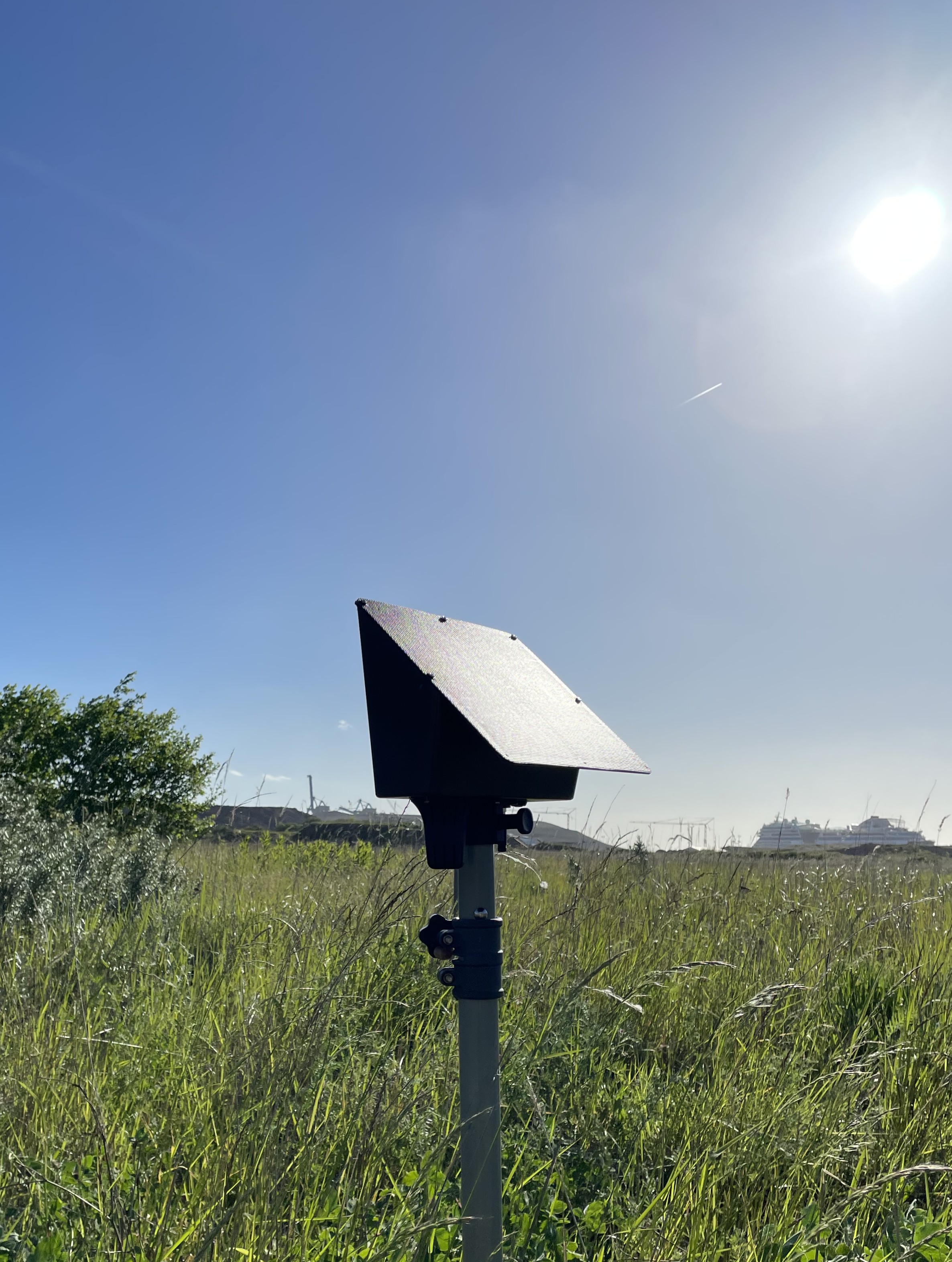
Today, continuous monitoring allows insect activity to be tracked over time, revealing patterns that were previously invisible. Seasonal rhythms, sudden disruptions, gradual recovery, and long term trends all become part of the same story.
Why the smallest signals matter
Insects are not the only indicators of ecosystem health, but they are often the most representative. By listening to these first signals, we gain time: to respond, to adjust management, to understand whether an intervention is working.
In a world where nature is changing quickly, early insight matters. Insects remind us that ecosystems speak softly at first. The challenge is learning how to listen.